Recovering what we learned to forget.
It is three in the morning in Ericeira. I am behind my computer, a glass of wine beside me, on the phone with a friend.
As we talk, an idea crosses my mind: “Come to think of it, I’ve never done South America. Why not?”
I open Google Flights. A one-way ticket to Cusco, Peru.
I have to hand back my apartment at the end of April. So this will be my next destination.
No real itinerary, no programme, no particular expectations. Just the urge to carry on my flight forward and to discover a continent I had long kept at a distance, partly because of the mental images I had built of it.
The immensity
My journey begins before I even arrive in Peru.
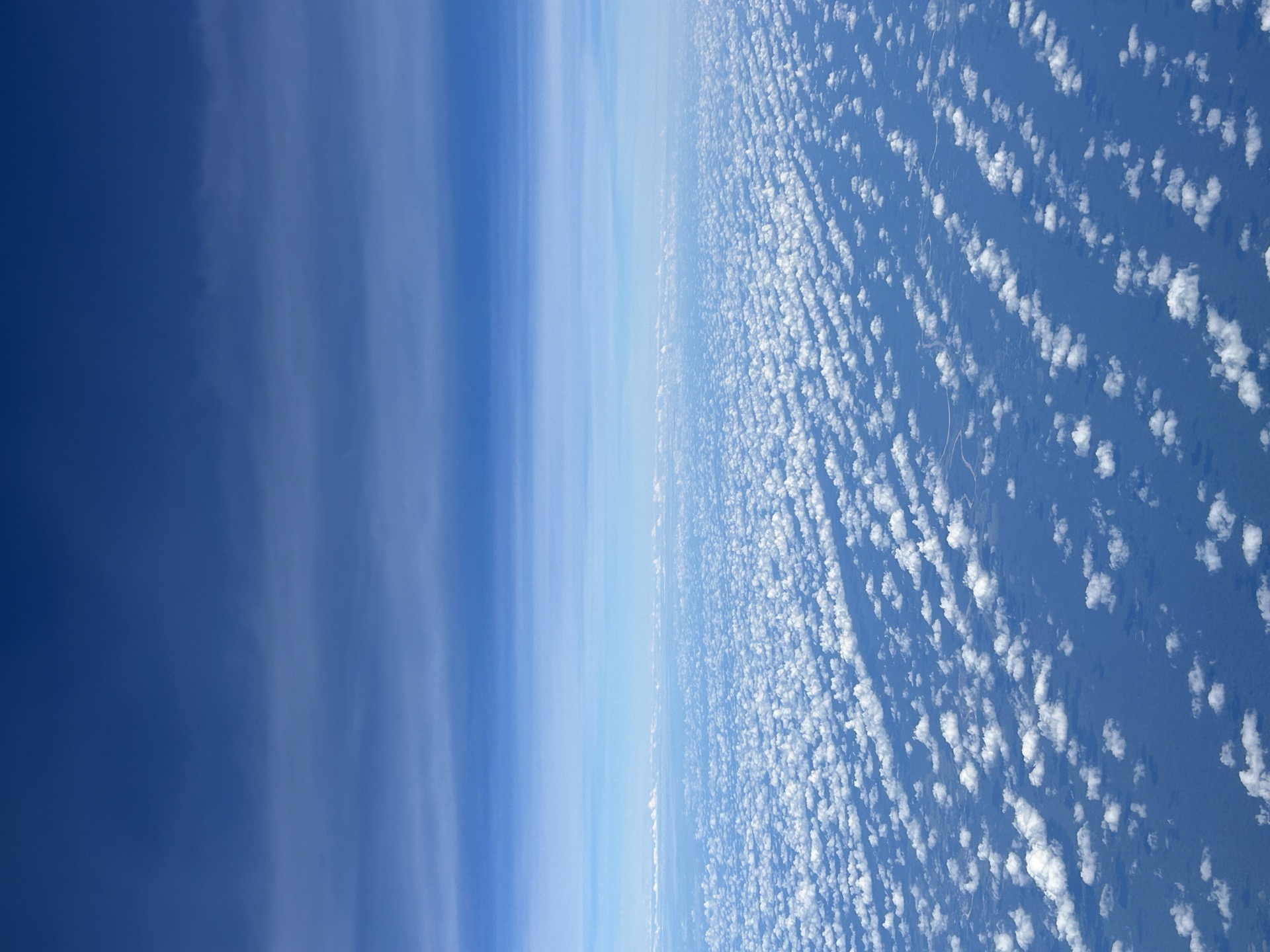
I stop over in Bogotá for twenty-four hours before catching another flight to Cusco. For part of the way, the plane flies over the Amazon. At first I almost think I’m looking at the sea. Then I realise this green immensity is a forest stretching as far as the eye can see.
Then come the Andes. Majestic, almost unreal mountains, whose scale instantly puts ours back in its place.
I’m still on a plane, but something has already happened. Nature imposes itself on me before I even discover the country. It confronts me with an immensity whose existence I hadn’t really grasped.
Another way of inhabiting the world
When I arrive in Cusco, I gradually discover a culture deeply tied to its history, its land and its environment.
The legacy of pre-Columbian civilisations, the history of the Incas, the traces of Spanish colonisation, the farming traditions, the crafts, the songs, the dances and the beliefs bound to nature.
What strikes me is that this culture doesn’t seem to belong merely to the past. It goes on living in everyday life.
I see children, teenagers and young adults take part in the celebrations, dance in the streets in traditional dress, keep historic places alive and take part in practices that run through the generations.
Culture isn’t only something you visit. It’s also something you practise, share and pass on.
Of course, tourism plays a part in showcasing this heritage. But beyond what is put on show for visitors, I feel a real presence of this culture in everyday life.
What strikes me in particular is the energy I perceive among the younger generations. Their closeness to their history, their environment and their traditions. I feel I’m watching another way of growing up and building oneself.
The Western mirror
Very quickly, this discovery becomes a mirror.
I start to look at my own environment differently. The one I grew up in, the one that shaped my references and my way of picturing success.
In our Western societies, we are exposed very early to a stream of injunctions: learn, succeed, produce, consume, progress, own, perform. Always move forward, always go further, always live up to a certain idea of success.
Novelty, technology and growth hold a considerable place in our ways of life. But what have we sometimes set aside by giving them so much room?
I find myself questioning our relationship to the living world, to transmission, to nature, to food and to our own history.
I think back to those children I watched in the streets of Cusco. To their way of dancing, playing, taking part in collective life. To that spontaneity and closeness to their environment that struck me so much.
I felt that certain forms of freedom, curiosity and expression still held an important place in their daily lives.
I then wondered what becomes of those same dispositions in our societies, as we grow up.
At what point do we learn to contain our spontaneity? To put away our curiosity? To place outside expectations before our own aspirations?
The inner child
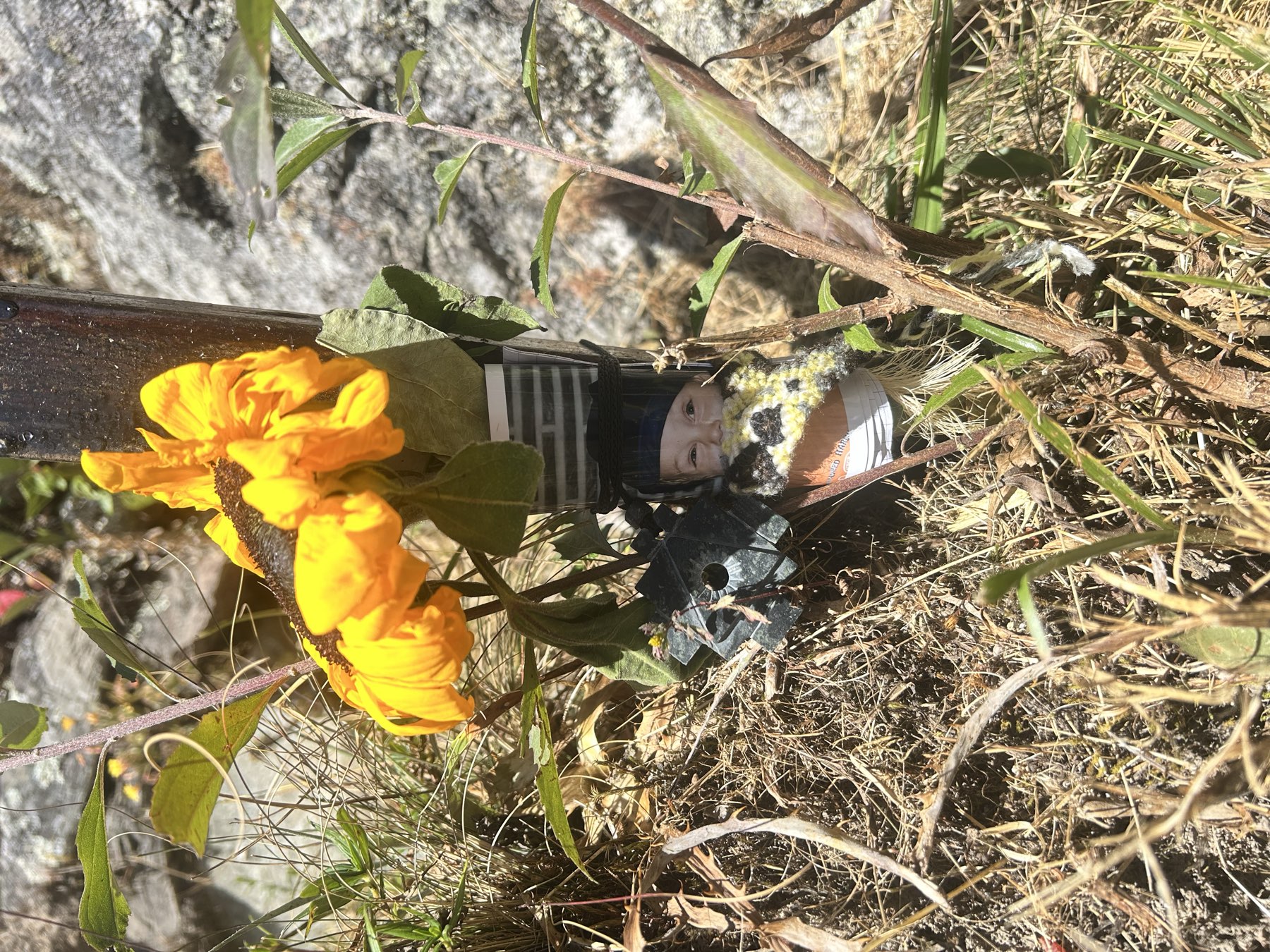
It is from these observations that my work began to take shape.
I became interested in that part of us. That natural capacity to explore, create, experiment, feel and marvel, without constantly needing to justify what we do.
That part which doesn’t necessarily seek to be productive, high-performing or compliant.
An approach, not an answer
This work does not seek to set two cultures against each other, to idealise one society or to name one way of life as preferable to another.
It starts from a personal experience, from encounters, observations and questions. I don’t claim to know what we should keep, give up or become. I’m not trying to bring a universal answer to questions that belong to each of us.
GROWN-UPS was born from this reflection. Not to tell adults how they should live, but to question what, as we grow up, sometimes leads us to set aside a part of ourselves.